
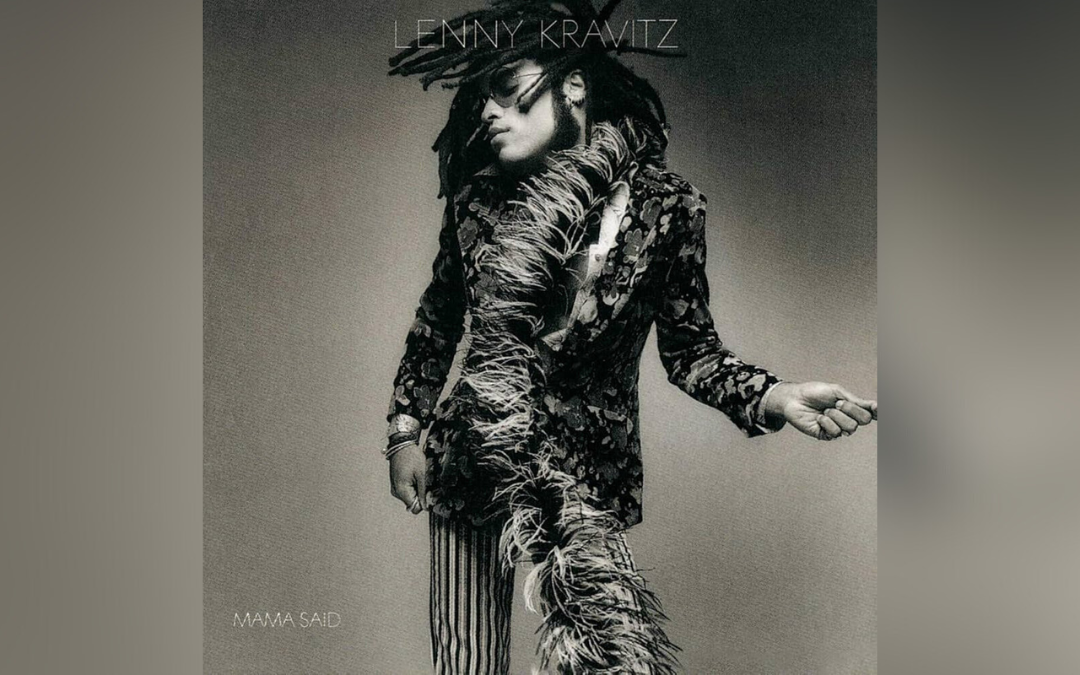
As soon as I had the ability to record music using multitrack machines, I became fascinated by production techniques. The process of recording made me pay more attention to the tapestry of sounds that make up any given record, and every once in a while, I would stumble upon an album that would blow my mind. One such album that stands out as life-changing for me is Mama Said by Lenny Kravitz.
By the summer of 1991, I had a cheap four-track cassette recorder, a decent microphone, a drum machine, an effects processor, and a few cheap guitars. It was just enough to be able to rough out ideas that were floating around in my head. I even wrote and recorded a full-length album during that summer called Homicidal Wristwatch. I sold cassette dubs for a couple of bucks or traded them for cigarettes.
At some point late in the summer, likely just before heading back to Clarion University of PA for my junior year, I was hanging out with my dad (aka Big Lar) and in his car, much to my surprise, was the new Lenny Kravitz record, Mama Said. He bought it for the hit song “It Ain’t Over ‘Til It’s Over” that was getting a lot of radio play, but it generally wasn’t his cup of tea, so I gladly took it off of his hands.
I had smoked plenty of weed with Lenny’s first album, Let Love Rule, as the soundtrack, so I was intrigued by what he’d do next. I liked Let Love Rule, particularly the track “Rosemary”, but overall I found much of it to be not terribly memorable. I thought of it mostly as a hippy revival record, so my expectations for the new record weren’t very high. I couldn’t have been more wrong.
Diving into Mama Said was a completely different experience. I remember being struck immediately by the production. It’s filled with simple techniques, like hard panning certain instruments to one side, recording delays backwards, or using a subtle overdrive on electronic drum loops. These simple things added layers and textures that took relatively simple songs and arrangements and made them incredibly interesting. I was fascinated and inspired by the sounds. Every time I listened to it, which was often, I just wanted to make music. I recognize that many of those techniques were borrowed from the psychedelic records of the late 60s and early 70s, but Mama Said was the right record and the right time for me to really pay attention to them.
To me, the best example on the record of production techniques that make a simple song incredibly interesting is “What the …. Are We Saying?” The foundation of the song is synth bass over what could be either live drums or a sampled loop. On top is a piano part that has a slap back delay that bounces between the left and right channels creating a trippy effect. The vocals during the chorus toggle between doubled harmonies and Lenny’s solo voice with a bunch of delay. The song climaxes with a sax solo that sounds like it could be right out of the 1970s. The final chorus ends with a repeated line over a bunch of dissonant piano chords followed by a drum loop playing in reverse under a piano and synthesizer solo. The whole thing devolves into a fade out at the end. More than three decades later, it still sounds super fresh and creative, and continues to make me want to make music.
Can’t wait to hear about tonight’s show.